Confusion between amber and ambergris is everywhere in perfume talk: similar words, very different olfactive effects. A recent ScentXplore discussion raised the topic again, and it matters if you choose fragrance by skin behavior, not by marketing copy.
## What amber means in perfume
In modern perfumery, amber usually refers to an **amber accord**: warm, resinous sweetness with shades of vanilla, labdanum, benzoin, sometimes spice and woods. It is not one raw material but an impression—like a golden glow in the drydown. This accord adds comfort, roundness, and a soft tactile finish.
## What ambergris means and how it smells
**Ambergris** is a separate story: a material and olfactive profile with salty-mineral, lightly leathery, airy-animalic facets. Today, perfumers often use interpretations and modern aroma-molecules to recreate that depth, diffusion, and breathing trail. Compared to sweet amber accords, ambergris effects usually feel drier, clearer, and cooler.
## How to spot amber vs ambergris when choosing perfume
Read beyond the note pyramid. Words like “resins,” “vanilla,” and “balsamic warmth” often indicate amber direction; “mineral,” “salt,” “air,” and “skin” usually point to ambergris style. Training your nose is easiest through side-by-side wear: where does the trail feel plush and warm, and where does it feel transparent and vibrating?
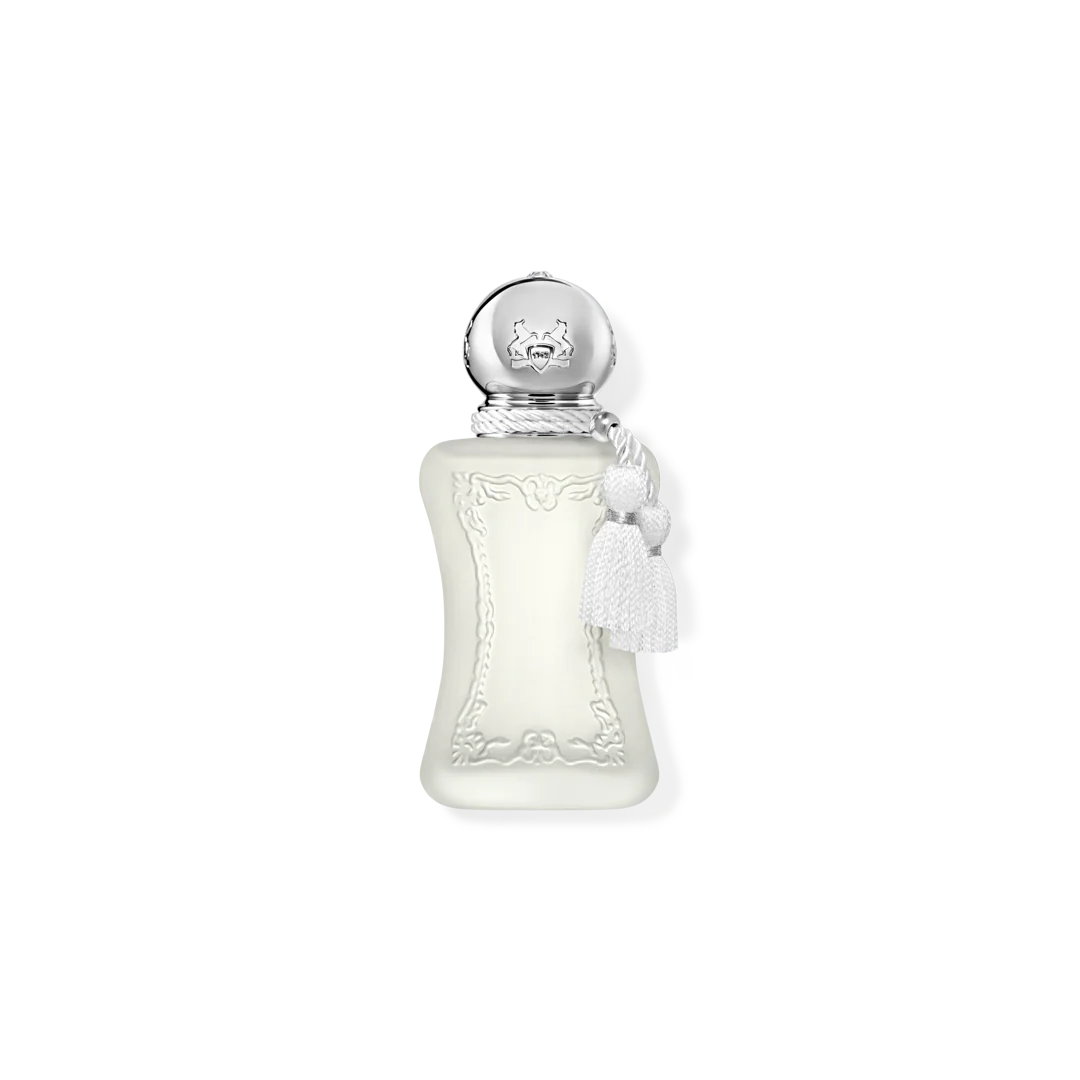
If you prefer a clean, luminous structure with modern lift, try **Parfums de Marly Valaya**. For contrast, revisit our Amouage piece: /journal/amouage-istoriya-doma-dnk-not-i-flagman-love-delight. Valaya page: /perfume/valaya.