Fragrance communities are once again discussing a question that sounds ordinary but touches the heart of how perfume behaves on skin: can a tattoo change the drydown? The prompt was a short discussion about the same scent behaving differently on a tattooed wrist and on bare skin. It is not a detail to dismiss too quickly.
How tattooed skin wears fragrance
The pigment itself does not project through the composition, but tattooed skin may differ in texture, care routine and dryness. Perfume never lands in a vacuum: it settles onto cream, traces of soap, areas with different temperature and micro-texture. That is why mineral, metallic and dry woody accords often reveal the difference more clearly than dense vanilla or sweet amber bases.
Which notes reveal the difference most
These nuances become most audible when a formula is built on transparency. Iris, cool musks, peppery top notes, ozonic and metallic shades do not cover the skin; they illuminate it. One wrist may therefore feel saltier and drier, while the other turns softer and rounder in the finish. We touched on a similar idea before in our piece on layering in perfumery, where skin itself becomes part of the composition.
How to test a fragrance honestly
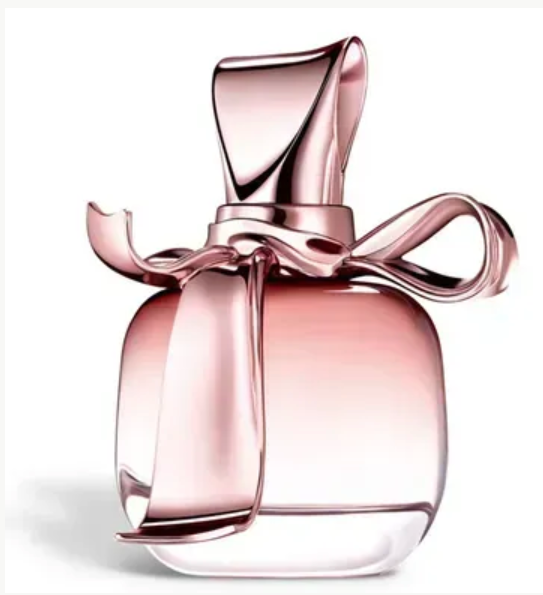
The most useful method is simple: spray on symmetrical spots, leave them alone for at least an hour, and avoid mixing the test with cream or oil. If the difference repeats several times, it is probably not imagination. This is especially interesting with fragrances where flowers rest on a dry frame of skin and pepper. **Mademoiselle Ricci** is a good example of how rose and pink pepper can appear more sheer or more velvety depending on the surface of the skin. Sometimes these tiny shifts are exactly what make a fragrance feel personal.