The phrase **Ross from TLTG Reviews** in today’s feed feels like a small marker of where perfume culture stands now. People still gather around fragrance not only for launches, but for the language that tries to catch them: dry woods, metallic musk, syrupy ambroxan, dusty iris. A strong reviewer matters exactly when the nose already understands something, but words have not formed yet.
## Why people still search for fragrance reviews
Videos and texts about perfume do not replace skin, but they shape expectation. One voice reads projection better, another notices how a scent sits in heat, a third can admit when an impressive pyramid hides emptiness. That is why interest in reviewers does not fade: we are not looking for “top 10 compliments,” but for a translation from the language of raw materials into the language of experience. It is no accident that this also echoes our recent note on the indie scene — why people are reading about Imaginary Authors again.
## What a good perfume commentary smells like
The best perfume commentary is always concrete. It does not say “luxurious” — it speaks of wet paper, of a cap warmed by the hand, of cold iris root left on a scarf. That precision is what keeps attention around reviewers: fragrance has become a media experience living between the bottle, the camera, and the reader’s memory.
## What to try if this way of smelling appeals to you
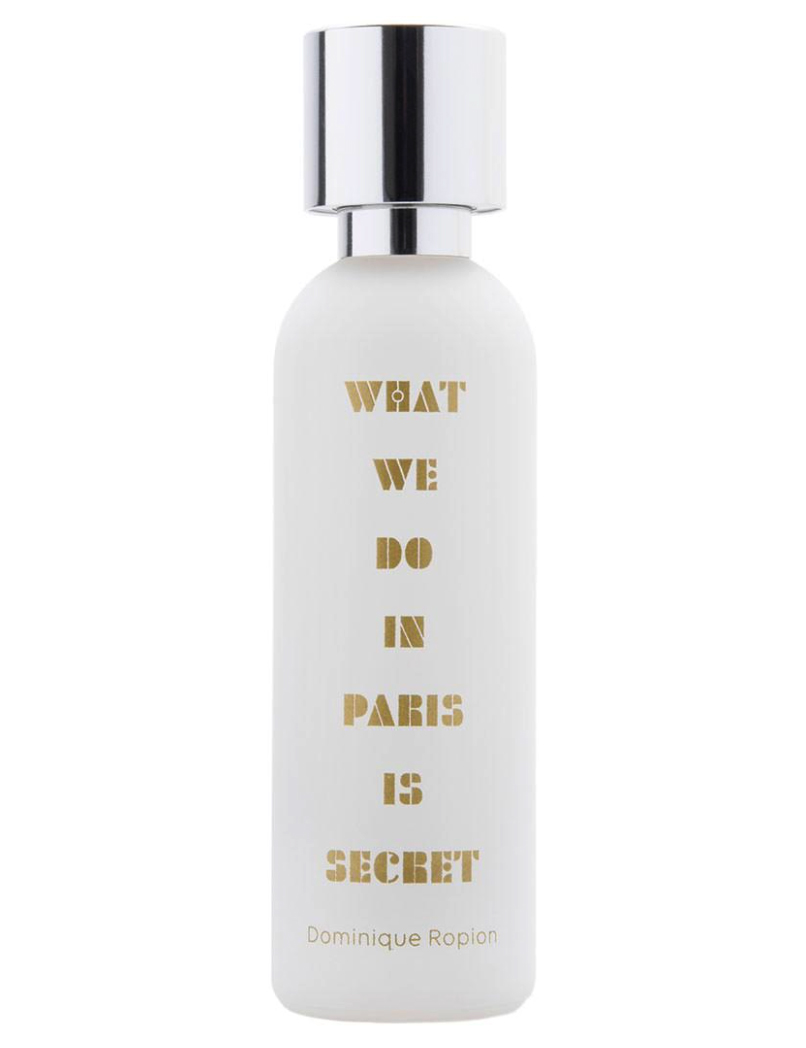
If you like this attentive, almost laboratory way of speaking about scent, spend an evening with **What We Do Is Secret — In Paris Is Secret**. It carries light and shadow, gentle sweetness and a cool turn that invites you to take it apart layer by layer rather than flatten it into one adjective. The In Paris Is Secret page is a good place to begin with a sample: some perfumes open only when they are given time and silence.