Small indie brand **Darling Clandestine** has announced a shop hiatus and a large sale before it begins. For a major house, that would be a minor operational note. For a small perfume brand, it is almost always something more visible: a sign that behind the bottles there is no anonymous machine, but a human rhythm — someone blending, bottling, packing, and answering emails by hand.
Why an indie perfume hiatus is part of the process
In independent perfumery, a pause rarely means disappearance. More often, it is a way to protect a workable pace and keep craft from turning into burnout. Small houses work in short batches, depend on raw material availability, and are often built around one authorial voice. That is why news like this matters not only to fans of one brand, but to the wider artisanal fragrance scene as well: it reminds us that niche perfume lives not only through launches, but through the pauses between them.
What this says about demand for small perfume houses
Interest in such news comes from the unusual closeness between a house and its audience. The indie perfume buyer follows not only notes, but the character of the brand itself: how batches are released, how perfumes vanish, how the style evolves. We touched on a similar material reality in CocoaPink sample bottles: why the bottle itself matters in indie perfume. When a brand goes quiet for a while, attention often sharpens around what it has already made.
What to try if this rhythm speaks to you
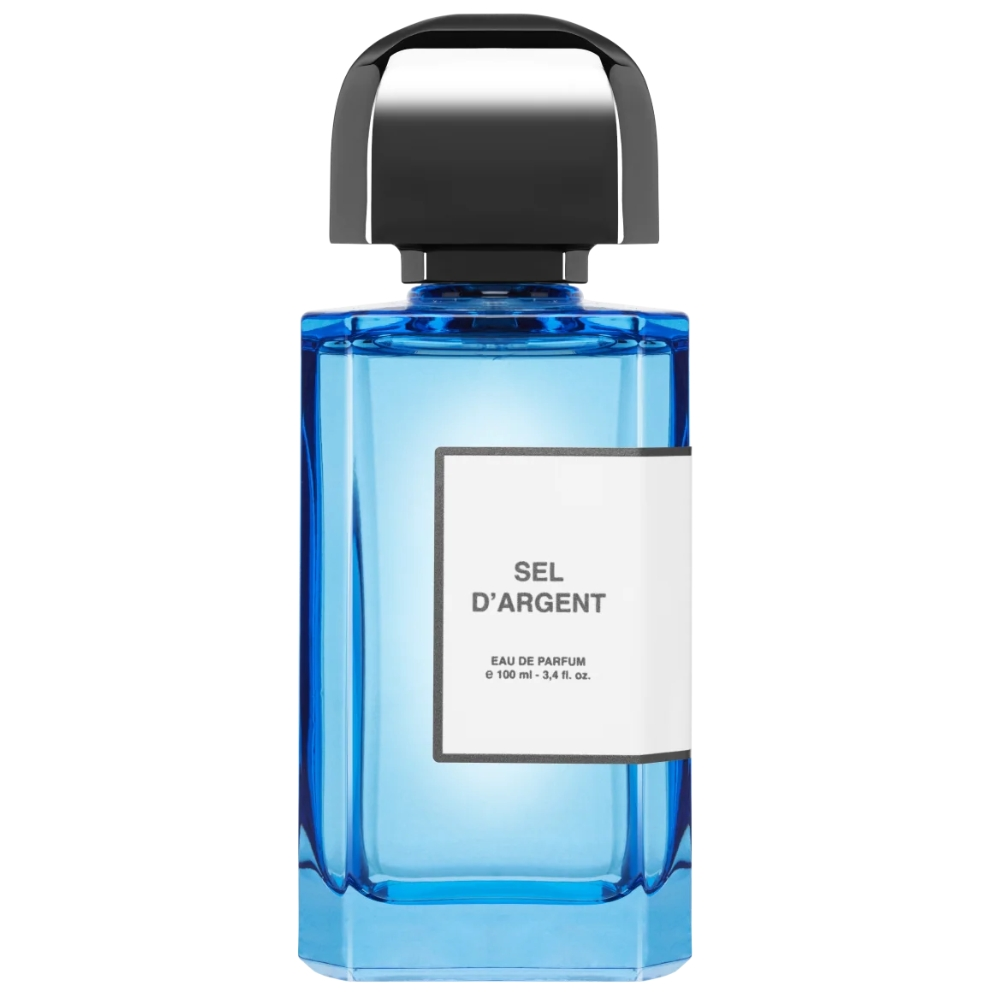
If this quieter, small-batch logic feels familiar, spend an evening with **BDK Parfums Sel d'Argent**. It avoids theatricality and moves instead through salty air, citrus light, and white flowers arranged as if the composition had been given enough room to breathe. It is a different pole of the same idea: a fragrance shaped not by haste, but by measured tempo. Sometimes bottles like this explain better than any statement why independent perfumery values the right to pause.