A very practical question is making the rounds again in the indie perfume community: what do you do when **CocoaPink** sample bottles refuse to open? At first glance it sounds trivial. Yet these small frictions often decide whether a perfume reaches skin at all or stays sealed in a drawer.
Why sample bottles matter in indie perfume
For small houses, a sample is not just a reduced format. It is the first contact with the material, the signature, the tempo of a brand. If the vial is hard to open, if the neck feels awkward, if irritation arrives before curiosity, the fragrance itself is read differently. In niche perfumery, where trust and hand-finished detail matter, packaging is part of the experience rather than a technical afterthought.
How tiny formats change the way a perfume reads
Micro-volumes often feel drier and sharper: less air, less gesture, more direct contact with the concentrate. So the discussion about sample bottles is also a discussion about how we smell perfume. If you enjoy softer, skin-close compositions, see our piece “Lily of the valley perfumes: 4 scents where the white flower shifts its tone”, where format and diffusion change the whole impression.
What this says about the indie scene
The most interesting part is not the complaint itself but the community’s sensitivity to detail. Indie buyers expect not only unusual accords, but tactile honesty: a cap that yields, glass that does not fight the hand, a sample that leads to discovery instead of annoyance. In that sense, the **CocoaPink** conversation is a reminder that perfumery begins long before the first inhale.
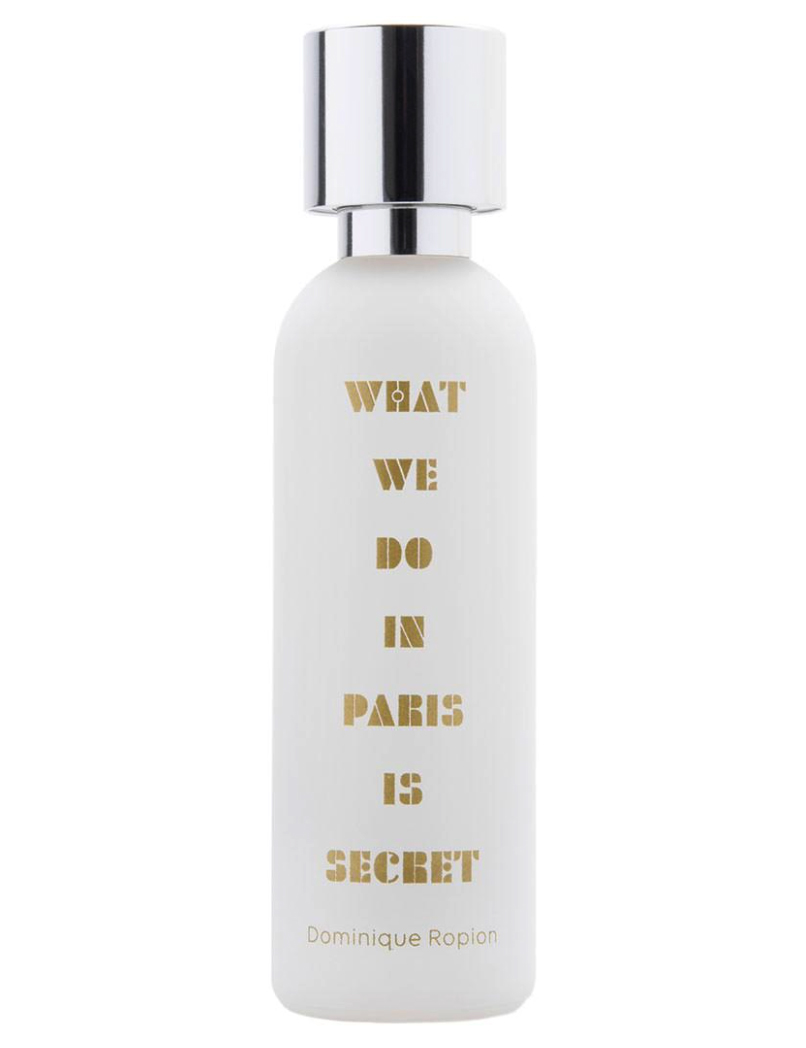
If that intimate, softly gourmand mood appeals to you, spend an evening with What We Do Is Secret — In Paris Is Secret. Its honey, lychee and vanilla feel like a private note folded into scent — small in scale, memorable in effect.