In fragrance communities, the question **beginner perfume help** keeps coming back—and that is a good sign. The louder the conversation around niche and indie perfume becomes, the more people want to enter it without snobbery, without a thirty-bottle collection, and without the fear of “smelling wrong.” In that sense, perfume is returning to its most alive format: the sample, the margin note, the slow meeting with skin.
How to start understanding niche perfume
The first step is almost never about finding the “best beginner fragrance.” It is more useful to notice what catches you first: cold citrus, milky musk, dry woods, vanilla sweetness, the green bitterness of neroli. That is why our recent notes on iris perfumes or nutty fragrances work better than any universal list: they teach you to hear the material, not just collect names.
Why samples matter more than blind buying
Indie perfumery almost always has some uneven edge—the very thing people love about it: a strange turn in the trail, honeyed density, pollen at the opening, a sudden metallic spark. On blotter it is one thing; on skin, something else entirely. So a beginner does not need a “safe blind buy” as much as a few small encounters with different styles. One evening: bergamot and white honey on the wrist. Another: vanilla, but not dessert-like—powdery, with a sunlit glow. A third: something sheer and slightly alien, just to learn your own threshold of comfort.
Where to begin sampling perfume
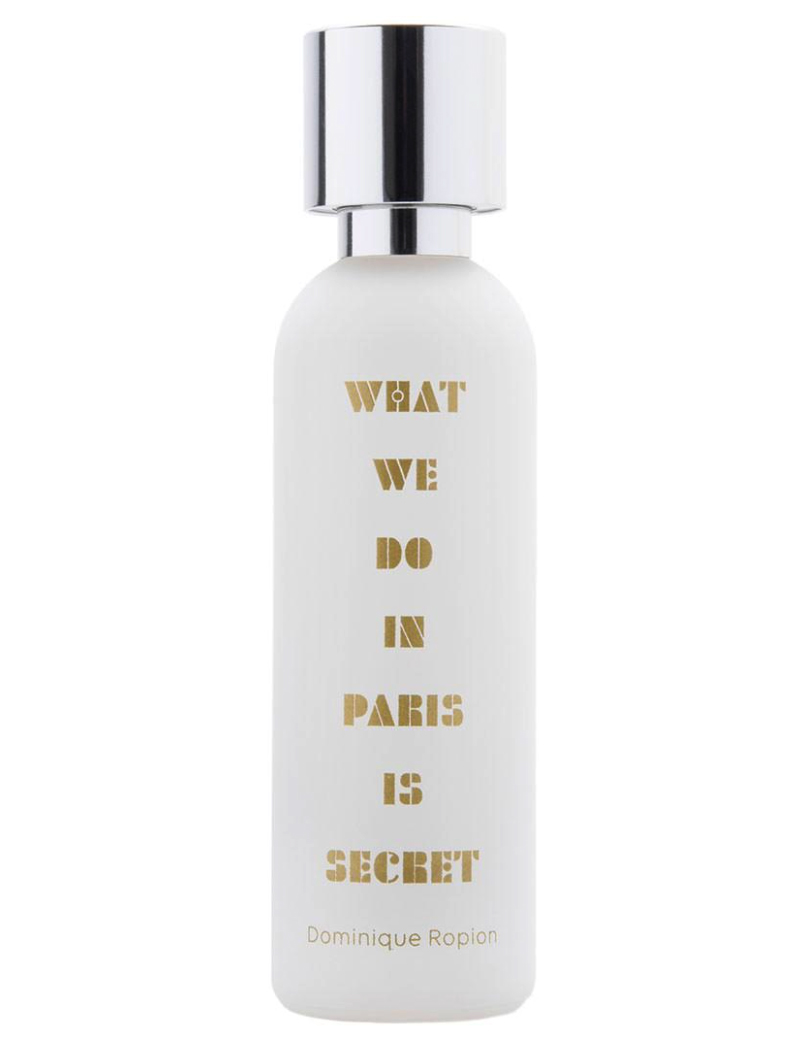
If you want to start with something niche yet welcoming, it is worth trying **What We Do Is Secret — In Paris Is Secret**. Here bergamot and lychee create a bright entrance, white honey brings a soft pull, and heliotrope with vanilla gathers the scent into a warm, almost creamy haze. It is not a “training fragrance” in any dull sense; it is a good example of how niche perfume can feel open-hearted while still keeping its own character. Sometimes a personal perfume map begins with exactly such a sample.