The *basic fragrance* conversation in perfume circles looks simple only at first glance. The term usually hides everything too recognizable: clean musk, bright citrus, soft vanilla, a lavender opening, a white-floral heart. But recognizability is not the same as banality. Sometimes it is exactly what makes a perfume precise — something you return to not for effect, but for a sense of the right tone.
What basic fragrance means
In perfumery, *basic* is often used as a dismissive label for compositions without dramatic twists. Yet a well-made “easy” scent does not have to be empty. It can stand on a clear idea: freshness, cleanliness, soft warmth, dry woods. These structures read quickly, but they often live beautifully on skin and need no long explanation. We touched on a similar pull toward clarity in “Lily of the Valley in Perfume Culture”.
Why a familiar scent is not a boring one
People rarely remember “basic” perfumes as an abstract category. More often, they recall a beginning: a first serious bottle, a scent for university, the office, a rainy August, a short trip. In those cases, a simple structure works like a musical theme that memory completes on its own. So the debate around *basic fragrance* turns out to be less about status than attachment. A good perfume does not need to perform complexity in order to stay in memory.
What to wear if you want clarity
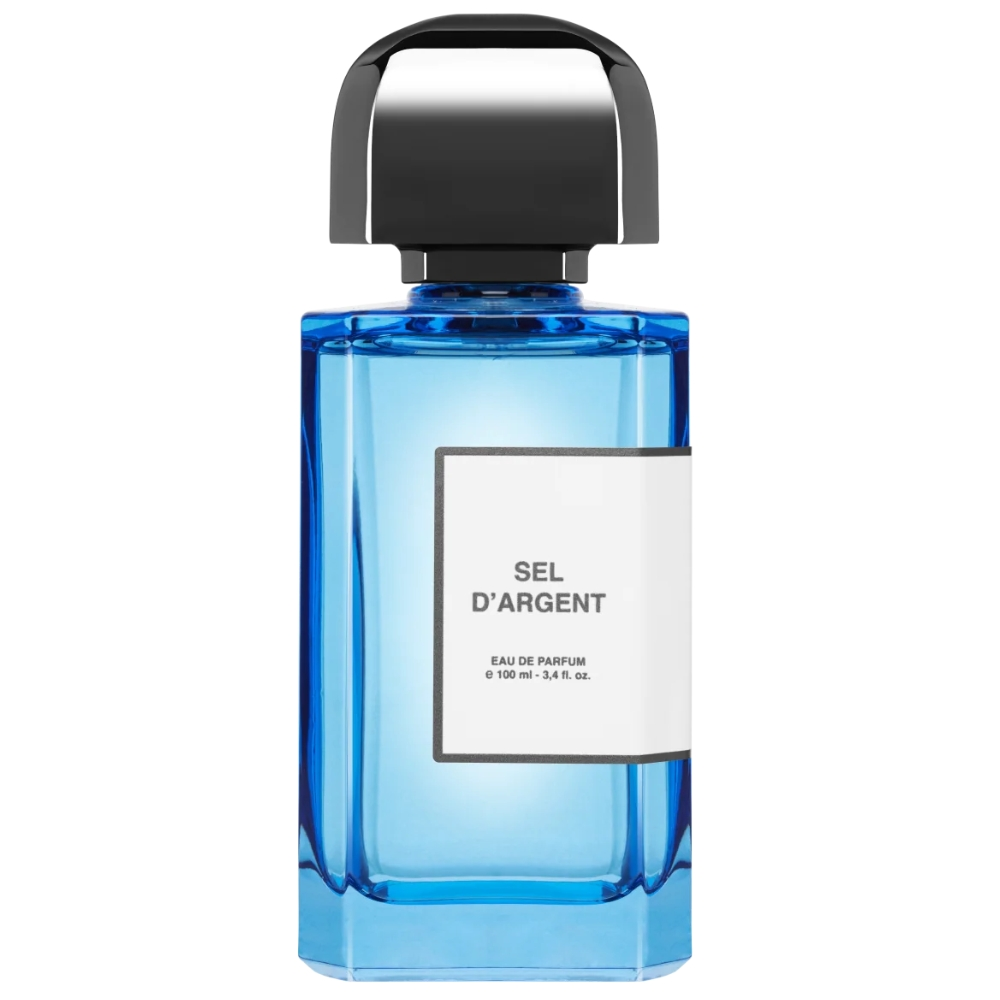
If today’s discussion makes you want not “complexity for complexity’s sake” but a bright, composed trail, it is worth looking at **BDK Parfums Sel d'Argent**. Salt, grapefruit, bergamot and orange blossom create exactly that feeling of transparency many overloaded perfumes lack. It shows how a clear structure can still smell nuanced, calm and far from flat.
Sometimes the most honest choice is a fragrance you do not need to explain for too long. One evening with it can be enough to see how expressive simplicity can be.