The new **Arcana Craves Coconut** releases at Moonlight Decants are a small piece of news, but they say a lot about where the indie perfume conversation is moving. Coconut is back in focus, yet not as a postcard of sun loungers and syrupy sweetness. In smaller brands, it is increasingly turned toward creamy flesh, powder, nutty shadow and warm skin.
Why people are searching for coconut again
The renewed interest in coconut in independent perfumery makes sense: it is a material with two faces. In one direction it gives suntan oil and bright vacation glow; in the other, it becomes almost cashmere-soft, milky, dusty and pale in the trail. That second version feels more compelling right now. It fits fragrances where sweetness does not shout, but gathers quietly around the body.
If this theme appeals to you, revisit our recent piece on /journal/dukhi-s-chistym-tsvetochnym-shleifom-4-aromata-dlya-tikhoi-e: it touched the same idea of texture and transparency, only through flowers rather than gourmand notes.
How coconut behaves in indie perfume
In indie perfumery, coconut rarely stays alone. It is usually stitched to vanilla, musk, roasted nuts or a soft woody base. Then it stops smelling like a candy bar or a cocktail and turns more skin-like: warm skin after sun, cream without extra sugar, the air of a room where powdery vanilla has settled into fabric.
That is why drops and decants like this matter. They quickly show which accords are catching the community right now: not loud desserts, but edible notes with a dry, velvety edge.
What to try if you like this style of coconut
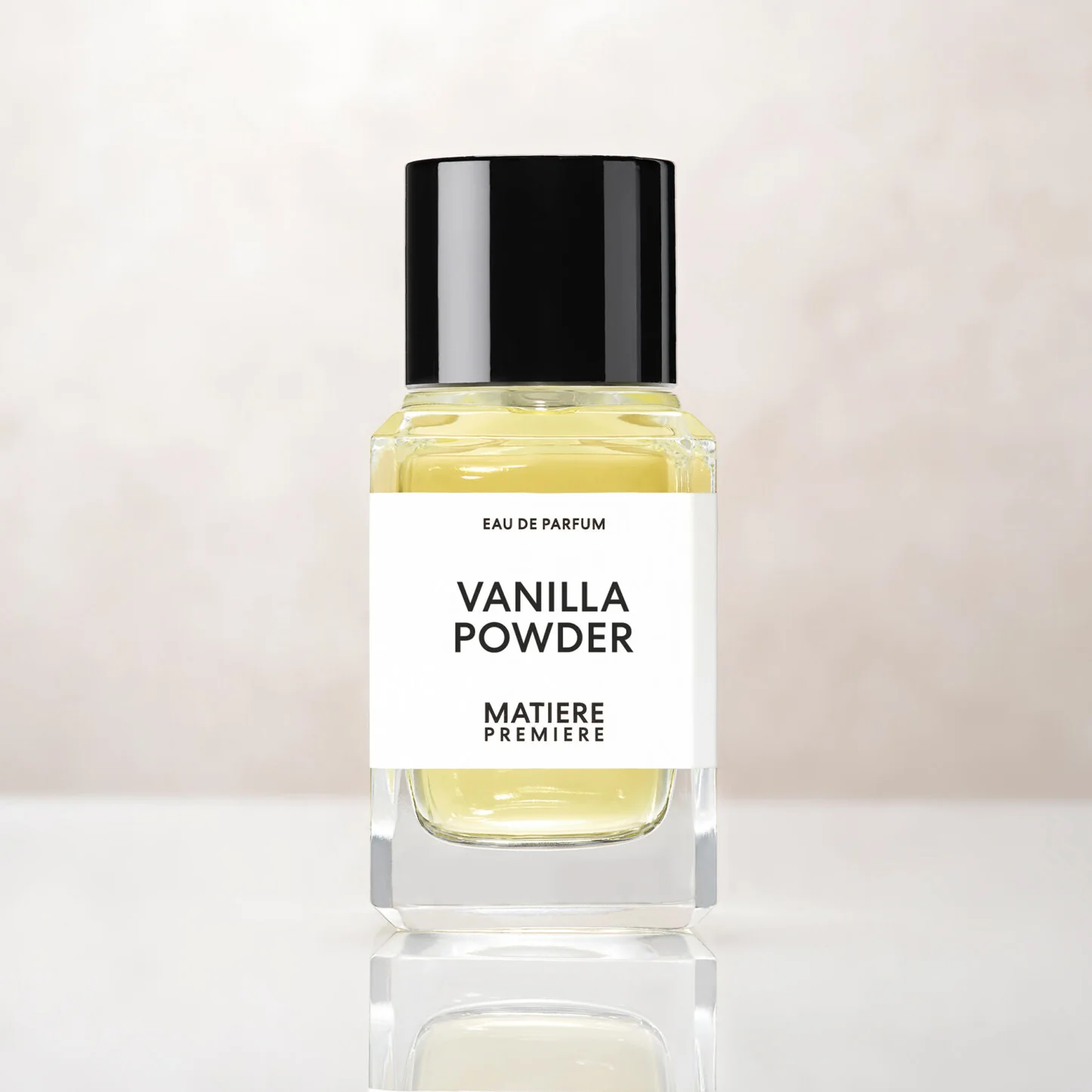
From this news it is easy to move toward **Matière Première Vanilla Powder**. Here coconut powder is not a tropical decoration; it softens vanilla and heliotrope, making the trail matte, pale and fabric-like. It is a good example of how coconut can sound in niche perfumery—calm, dense and modern, without the resort cliché. If Arcana Craves speaks to you, this is worth an evening on blotter and skin.