Amber vs Ambergris in Perfumery: the Difference and How to Spot It
A clear guide to the difference between amber accords and ambergris, and how each one feels in modern niche fragrances.
The “amber or ambergris” debate is back, and it’s a good moment to restore precise meaning. In perfume copy, the two are often placed side by side, yet on skin they act as different gestures: one warm and resinous, the other salty-aerial, almost mineral.
## Amber vs ambergris: what changes
In classical perfumery, **amber** is an accord, usually built around labdanum, benzoin, and vanilla facets. It gives an effect of amber light, soft resins, and velvety warmth.
**Ambergris** is another story: historically an animalic material, now mostly interpreted through modern reconstructions. In scent it is less “sweetness” and more volume, saline dryness, and wind over warm skin. That’s why a fragrance can be ambergris-heavy without feeling gourmand.
## How they wear on skin
Amber accords often read evening-like: warm trail, spiced depth, sometimes a caramel haze. An ambergris profile adds transparency and distance—the perfume seems to breathe wider, even when dense resins are present.
If you enjoy texture-focused reading, revisit our piece on evolving structures: Perfumery Trends 2026.
## What to sample after the debate
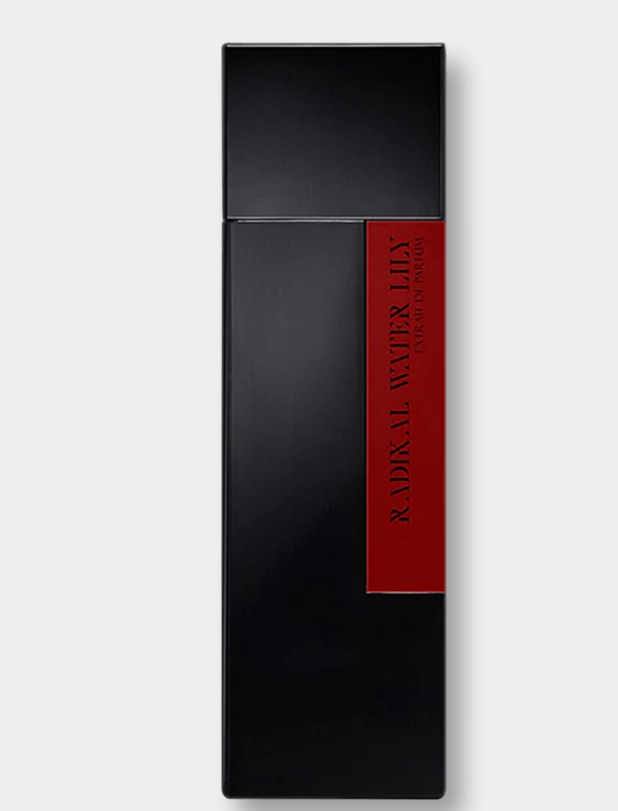
After this kind of discussion, it’s especially revealing to test perfumes where cool water and warmth live in one contour. In that mood, spend an evening with **Laurent Mazzone Radikal Water Lily**: chilled petal smoothness meets a soft amber shadow. Start with the discovery format here: Radikal Water Lily.